


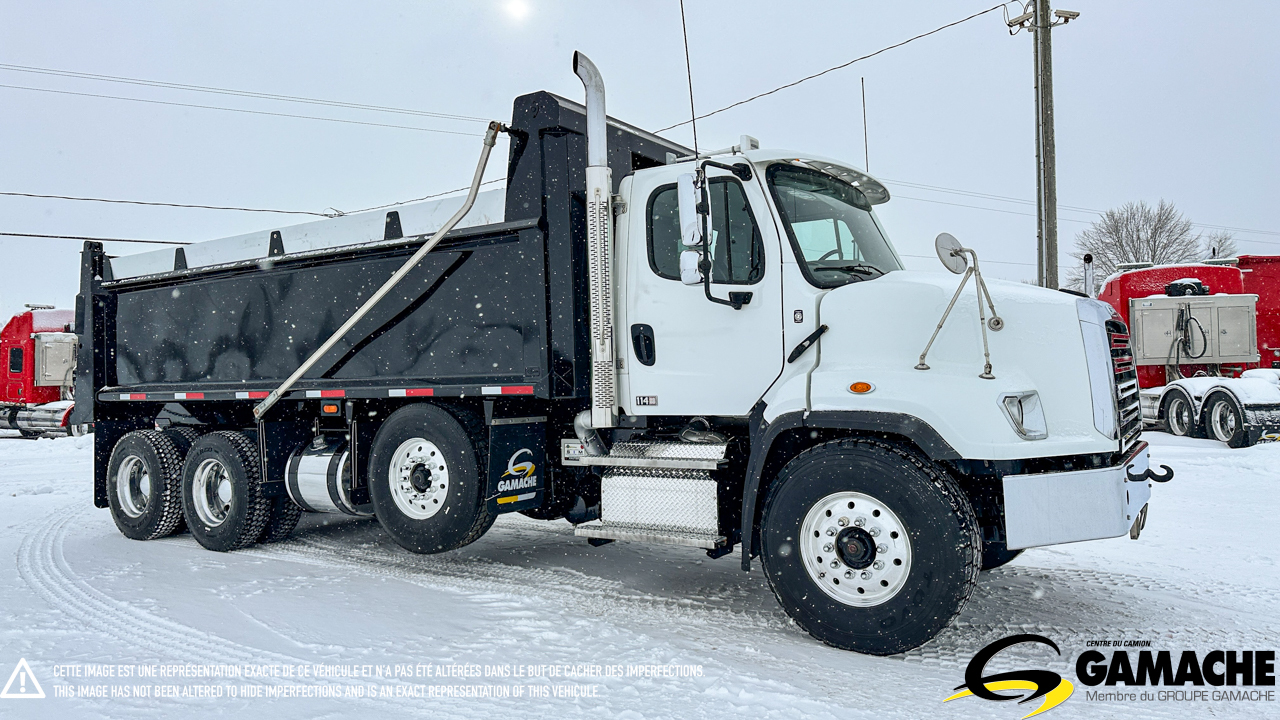
In Quebec, winter conditions put heavy trucks to the test. Extreme temperatures, road salt, heavy snow and slippery roads — every component of the vehicle is pushed to its limits.
For an owner-operator, neglecting to prepare the truck before the cold season can quickly lead to costly mechanical breakdowns, delivery delays, or worse, accident risks.
The key to getting through winter safely lies in rigorous preventive maintenance. In this article, Groupe Gamache, a heavy truck specialist in Quebec, offers you a complete checklist to prepare your truck before the cold arrives. We also offer a wide selection of snowplows and equipment for your snow truck.
From the battery to the braking system, here’s everything that needs to be inspected so your vehicle remains efficient, safe and compliant with winter road standards.
1. General inspection of the truck before the cold season
First and foremost, start with a complete inspection of the truck. The goal is to detect any anomaly before it becomes a major issue at -20°C.
a) Checking the chassis and metal structures
Carefully inspect the chassis, frame rails and fasteners. Look for any signs of corrosion, cracks or premature wear. The salt and calcium used on Quebec roads accelerate oxidation — an anti-rust treatment is therefore highly recommended before winter.
b) Preventive lubrication
Greases thicken at low temperatures, reducing protection of moving parts. Use lithium-based grease designed for winter conditions. Lubricate pivot points, hinges, universal joints and suspension mechanisms.
c) Complete cleaning
A deep wash removes oil, mud and salt residue. Pay special attention to the underside of the vehicle, brakes and areas near the air tanks. Applying a wax-based chassis protector can help repel moisture.
2. Heating and defrosting: comfort and safety first
A faulty heating system can quickly turn a winter road into a nightmare. Make sure the cabin stays warm and the windows remain defrosted.
a) Check the cabin heater
Test the heater core. If the air remains lukewarm or inconsistent, check the control valve, blower motor and thermostat. A blocked airflow greatly reduces heating performance.
b) Defrosters and air ducts
Inspect the air ducts and ventilation outlets. Even a small buildup of dust or frost can obstruct warm airflow. Clean them with compressed air and check the windshield seals.
c) Preventing fog and frost
Use an anti-fog product on interior windows and ensure the cabin air filter is clean. A clogged filter reduces air quality and promotes condensation.
3. Battery and electrical system: the foundation of reliability
Batteries lose up to 50% of their capacity in extreme cold. Before winter, a thorough inspection is essential.
a) Testing charge and voltage
Use a load tester to measure voltage (resting and under load). A battery below 12.4 V should be recharged or replaced. Also test the alternator and voltage regulator.
b) Cleaning and protecting terminals
Remove all oxidation from terminals with a wire brush. Apply dielectric grease to prevent corrosion. Check cable tightness — even slight looseness can cause a breakdown in cold weather.
c) Inspecting wiring
Wires exposed to salt and moisture should be inspected and protected with a sheath. Lighting connectors and starter relays are particularly vulnerable.
4. Fluids and filters: protecting the engine from the cold
a) Antifreeze and coolant
Check the level and concentration of the coolant with a tester. For Quebec’s climate, the freezing point should be at least -40°C. Replace coolant if it’s over two years old.
b) Engine oil
Verify the recommended grade for winter temperatures (often synthetic 5W-40). Oil that is too viscous in cold weather complicates starting and causes premature engine wear.
c) Air, fuel and oil filters
Replace filters before winter. A dirty fuel filter can retain water and cause diesel to gel. A clean air filter improves combustion and performance, especially during cold starts.
5. Tires and traction: your first line of defense
a) Choosing the right tires
Winter tires for heavy trucks offer better grip and reduce braking distances on icy roads. Choose models rated M+S or with the snowflake symbol.
b) Pressure and wear
Check pressure when cold, as it drops about 1 psi for every 5°C decrease. Uneven wear indicates alignment or suspension issues.
c) Chains and anti-slip products
Always keep a set of snow chains in the truck, especially if driving in mountainous areas. Learn how to install them before you actually need them.
6. Brakes and suspension: performance and stability
a) Brake system inspection
Air brakes are particularly sensitive to freezing. Drain air tanks daily to avoid condensation. Inspect lines, valves and diaphragms for leaks.
b) Cleaning and adjustment
Clean drums and pads with compressed air. Check spring tension and proper return. Poorly calibrated manual or automatic adjusters can reduce braking power by 30%.
c) Suspension and shock absorbers
Inspect leaf springs, bushings and shock absorbers. A stiff or leaking suspension increases the risk of losing traction on icy roads.
7. Fuel system: preventing diesel from gelling
a) Diesel and paraffin
At low temperatures, diesel solidifies due to paraffin. Use winter-grade fuel (no. 1-D) and certified anti-gel additives.
b) Tank maintenance
Keep tanks as full as possible to avoid condensation. Check caps and seals to prevent water infiltration.
c) Filters and preheaters
Install a fuel filter heater or an engine preheating system. These devices greatly ease cold starts.
8. Lighting and visibility
a) Lights and reflectors
Check all lights (front, rear, side, clearance) and ensure they are clean and functional. Replace any defective bulb and clean lenses with a non-abrasive product.
b) Windshield and wipers
Inspect the windshield for cracks — they worsen quickly in the cold. Install durable winter wipers and fill the washer reservoir with a product rated to -40°C.
c) Auxiliary systems
Backup cameras and proximity sensors must be defrosted regularly. Even a thin layer of snow can render them useless.
9. Winter safety and accessories
a) Emergency kit
- Booster cables
- Flashlight
- Thermal blanket
- Sand or salt for traction
- Insulated gloves
- Emergency food rations
- First aid kit
b) Communication systems
Make sure your radio, GPS and satellite phone are working properly. A reliable communication system is essential in case of a breakdown in an isolated area.
c) Winter driving
Adopt defensive driving: increase braking distance, anticipate turns and avoid sudden acceleration. Even the best maintenance cannot replace caution.
10. Preventive maintenance plan: your best investment
a) Recommended frequency
- Before winter (October/November): full inspection and fluid replacement.
- During winter: monthly checks of brakes, tires and batteries.
- After winter (March/April): anti-corrosion inspection and full cleaning.
b) Digital maintenance tracking
Use an app or electronic maintenance log to track all work performed. Keep invoices and inspection reports for compliance checks (SAAQ, insurance company, etc.).
c) Calling on specialists
Even experienced drivers can miss a critical detail. The teams at Groupe Gamache offer heavy trucks inspected and ready for winter, along with personalized advice based on your needs and type of transport.
Your heavy truck ready for winter: stay efficient on Quebec roads
A well-prepared heavy truck for winter is more than a performance matter: it’s a guarantee of safety, reliability and profitability. By following this complete checklist, you reduce the risk of breakdowns, optimize your fuel consumption and protect the value of your investment.
At Centre du Camion Gamache, we understand the unique demands of Quebec’s roads. Whether you’re looking for a heavy truck ready for winter, replacement parts or maintenance advice, our team is here to help.


