


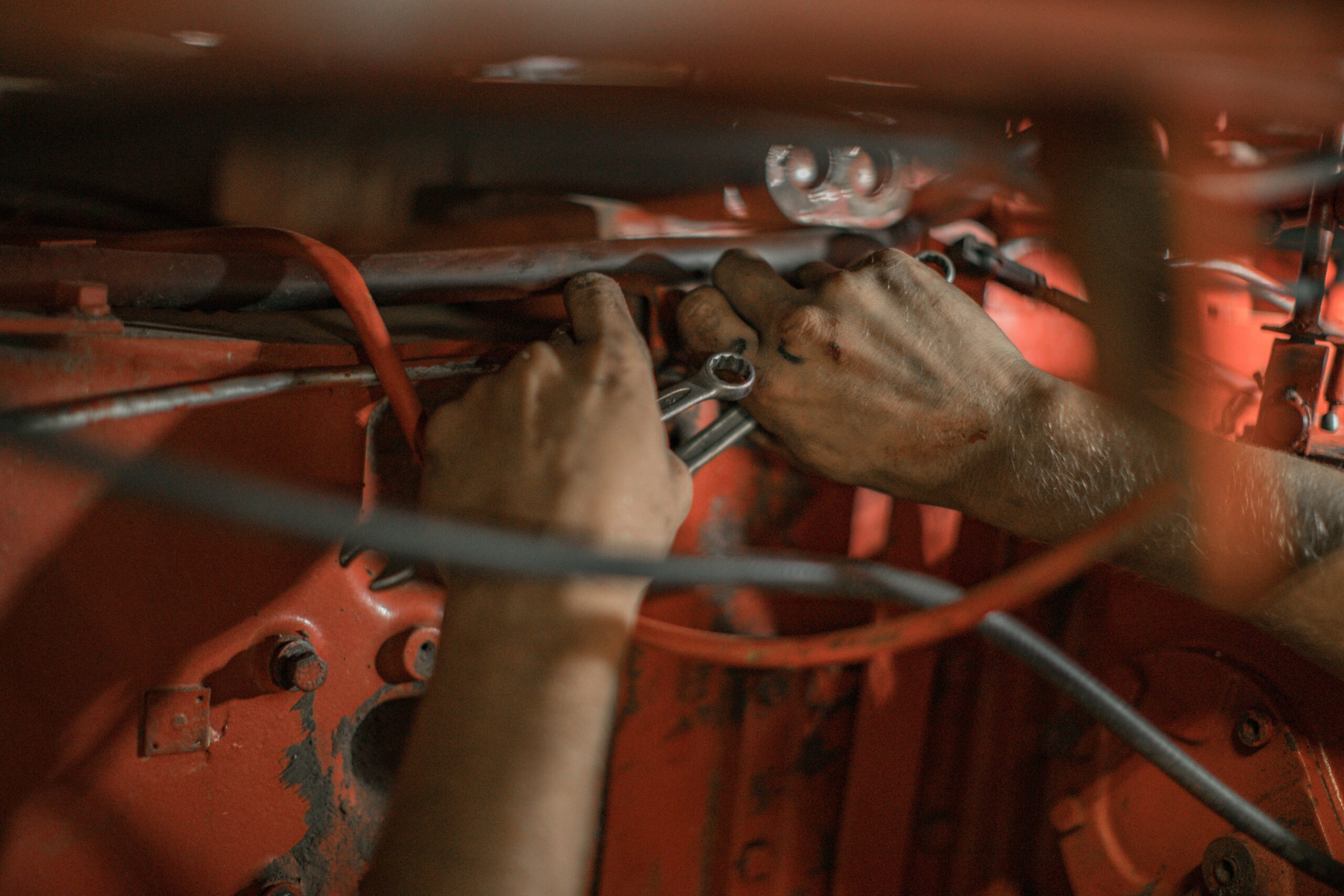
When you’re preparing to drive several hundred—or even several thousand—miles, filling up the fuel tank isn’t enough. A properly inspected heavy-duty truck reduces the risk of breakdowns, improves safety, and can help you avoid costly repairs on the road. Whether you’re an owner-operator or a fleet manager, spending a few minutes on a thorough inspection can save you significant time and money.
Why Perform a Pre-Trip Inspection?
Before hitting the road, a complete inspection helps prevent unpleasant surprises.
A minor mechanical issue in the yard can quickly turn into a roadside breakdown. A preventive inspection helps you:
- Reduce the risk of mechanical failures.
- Protect your safety and the safety of other road users.
- Minimize unexpected maintenance costs.
- Comply with regulatory requirements.
- Travel with greater peace of mind.
In short, a few minutes of inspection can save you hours of downtime.
Check the Tires
Your tires are among the hardest-working components on a heavy-duty truck. Before leaving, make sure to inspect:
- Tire pressure
- Tread depth
- Cuts, cracks, or embedded objects
- Uneven wear that could indicate an alignment or suspension issue
Properly maintained tires can also improve fuel efficiency.
Check Fluid Levels
Fluids play a critical role in your truck’s reliability. Make sure all fluid levels are where they should be:
- Engine oil
- Coolant
- Power steering fluid
- Windshield washer fluid
- Hydraulic fluid (if applicable)
Take a moment to look for any leaks underneath the truck as well.
Inspect the Brakes
After checking the tires and fluids, pay close attention to the braking system. Before a long trip, inspect:
- Brake linings
- Air lines
- Brake chambers
- Air tanks
- Overall brake system operation
If you have any concerns, have the truck inspected before you leave.
Check the Lights and Safety Equipment
Next, make sure all lights are working properly. Even a single burned-out bulb can result in a roadside inspection or citation. Test:
- Headlights
- Taillights
- Turn signals
- Brake lights
- Clearance lights
Also, make sure you have:
- A compliant fire extinguisher
- Reflective warning triangles
- A first aid kit
- All required documents
Inspect Belts, Hoses, and Batteries
Long trips put extra stress on mechanical components. Take time to inspect:
- Cracked or worn belts
- Hoses showing signs of wear
- Battery connections
- Corroded battery terminals
A weak battery can quickly become a problem if you make multiple stops during your trip.
Check the Trailer and Coupling
If your truck is pulling a trailer, it deserves just as much attention. Inspect:
- Fifth wheel locking mechanism
- Air hoses
- Electrical connections
- Safety chains, if applicable
- Trailer tires and lights
A poor connection can lead to serious consequences on the road.
Plan Your Route
Preparation goes beyond your truck’s mechanical condition. Before leaving:
- Check the weather forecast.
- Review road construction updates.
- Plan your fuel stops.
- Locate rest areas and truck stops.
- Make sure you have all required transportation documents.
Good planning helps reduce stress and avoid unexpected delays.
A Well-Prepared Truck Is a More Profitable Truck
Every preventive inspection helps protect your investment. A heavy-duty truck is much more than just a vehicle—it’s a critical business asset that needs to perform reliably every day.
At Centre du Camion Gamache, we know that a well-maintained truck is a profitable truck. That’s why we offer carefully inspected vehicles, so you can hit the road with confidence.


